
There are few experiences more quietly powerful than sinking into a Japanese onsen. Steam curls into cold mountain air, snow settles on pine branches, and time slows to the rhythm of rising mineral water. What looks like a simple bath is, in reality, part of one of the most extraordinary natural systems in the world.
Japan doesn’t just have hot springs. It is built on them.
A Country Shaped by Heat Below the Surface
Japan sits on a restless geological foundation, where tectonic plates collide and the Earth’s heat is never far from the surface. That energy feeds an astonishing network of hot springs spread across the country, from coastal villages to alpine valleys.
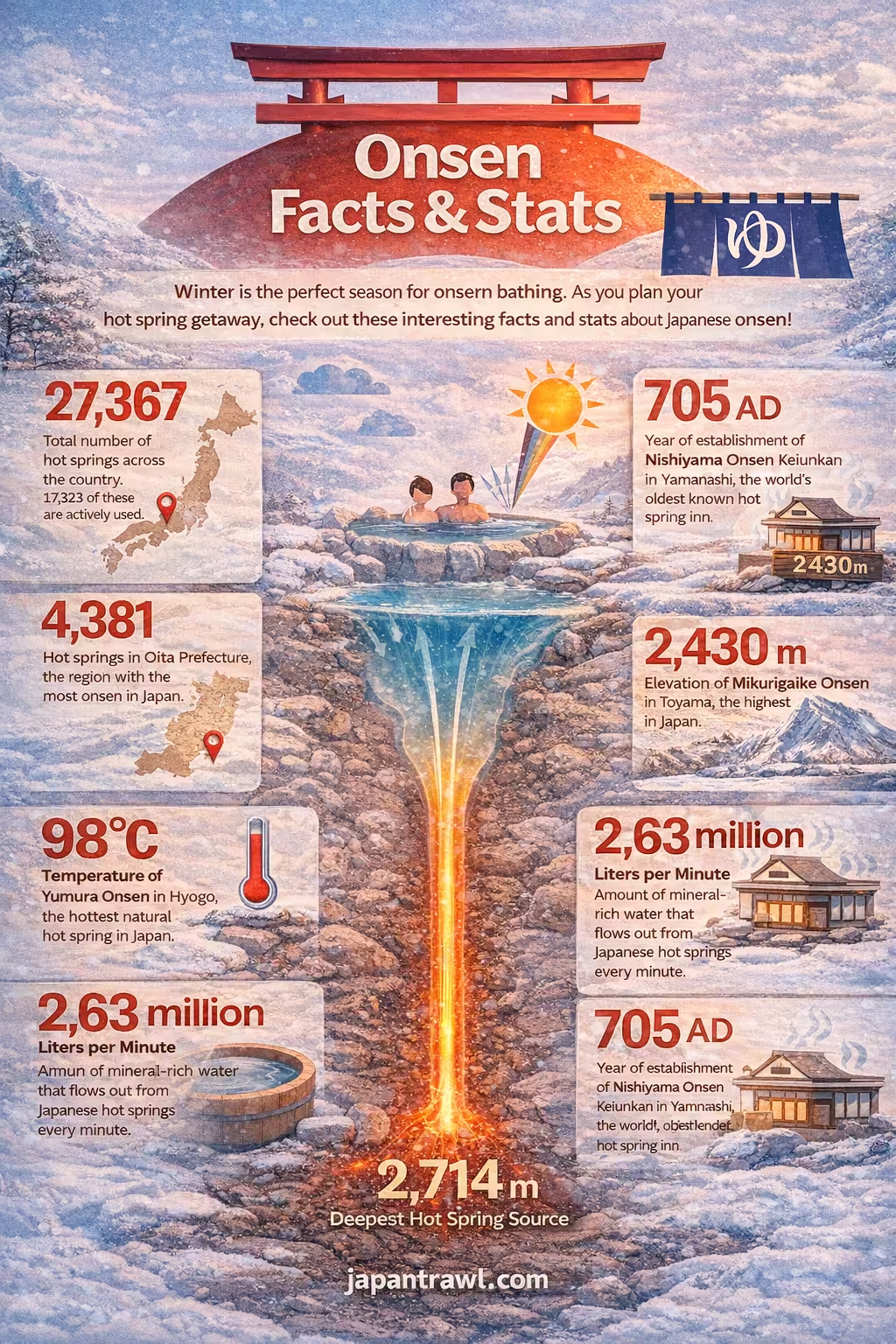
Today, there are over 27,000 recognised hot spring sources across Japan. Not all are open to the public, but thousands are actively used by inns, bathhouses, and local communities. In many rural towns, the onsen isn’t an attraction, it’s infrastructure. Hot water heats homes, cooks food, and fills public baths that locals have used for generations.
Where Japan’s Onsen Are Most Concentrated
Some regions feel almost defined by hot water. Oita Prefecture, on the island of Kyushu, leads the country with the highest concentration of onsen sources. Steam vents, hillside baths, and bubbling streets are part of daily life there. Kagoshima follows closely behind, where volcanic activity gives rise to dramatic seaside baths and sand onsens heated from below.
Each region’s onsen feels different. Minerals vary. Temperatures shift. Even the smell of the water changes, from sulphur to iron to salt, giving each bath its own personality.
Ancient Baths, Modern Rituals
Japan’s relationship with onsen stretches back more than a millennium. One of the world’s oldest continuously operating hot spring inns was founded in the early 8th century and still welcomes guests today. That sense of continuity matters. Bathing here is not about indulgence alone; it’s about routine, respect, and care for the body.
Modern ryokan may offer designer rooms and seasonal cuisine, but the bathing rules remain largely unchanged. Wash first. Enter quietly. Share the space. Onsen culture values harmony as much as heat.
How Hot Is Too Hot?
Some Japanese hot springs reach temperatures that sound almost unreal. The hottest natural source recorded flows at close to 98°C (208°F), far beyond what the human body can tolerate. Of course, bathwater is carefully cooled before use, but these extremes highlight just how powerful the geothermal forces beneath Japan really are.
Water doesn’t just rise from shallow depths either. The deepest known onsen source in Japan draws water from nearly three kilometres underground, travelling upward through layers of rock before emerging at the surface.
Minerals That Define the Experience
Not all hot springs are created equal. In Japan, a spring must meet specific mineral and temperature standards to be officially classified as an onsen. There are 19 recognised mineral categories, each believed to have different effects on the body, from easing muscle tension to warming circulation.
Whether or not you believe in their therapeutic claims, there’s no denying how distinct each bath feels. The water can be silky, dense, or sharp against the skin. It leaves traces behind on towels, on stone, and sometimes on memory.
A River of Hot Water, Every Minute
Perhaps the most staggering fact is scale. Every minute, millions of litres of hot spring water flow across Japan. Some of it rises naturally; some is gently assisted. All of it is carefully managed to balance tradition, sustainability, and modern demand.
This constant flow is why onsen towns never feel stagnant. Water arrives, is used, cools, and moves on—just like the visitors who pass through.
More Than a Bath
An onsen stay is never just about soaking. It’s the walk through quiet streets in a yukata. The taste of cold milk afterward. The way sleep comes faster and deeper. It’s a pause in a fast-moving country that understands, perhaps better than most, the value of stopping. Some osens are even nicely incorporated into the room you are staying in.
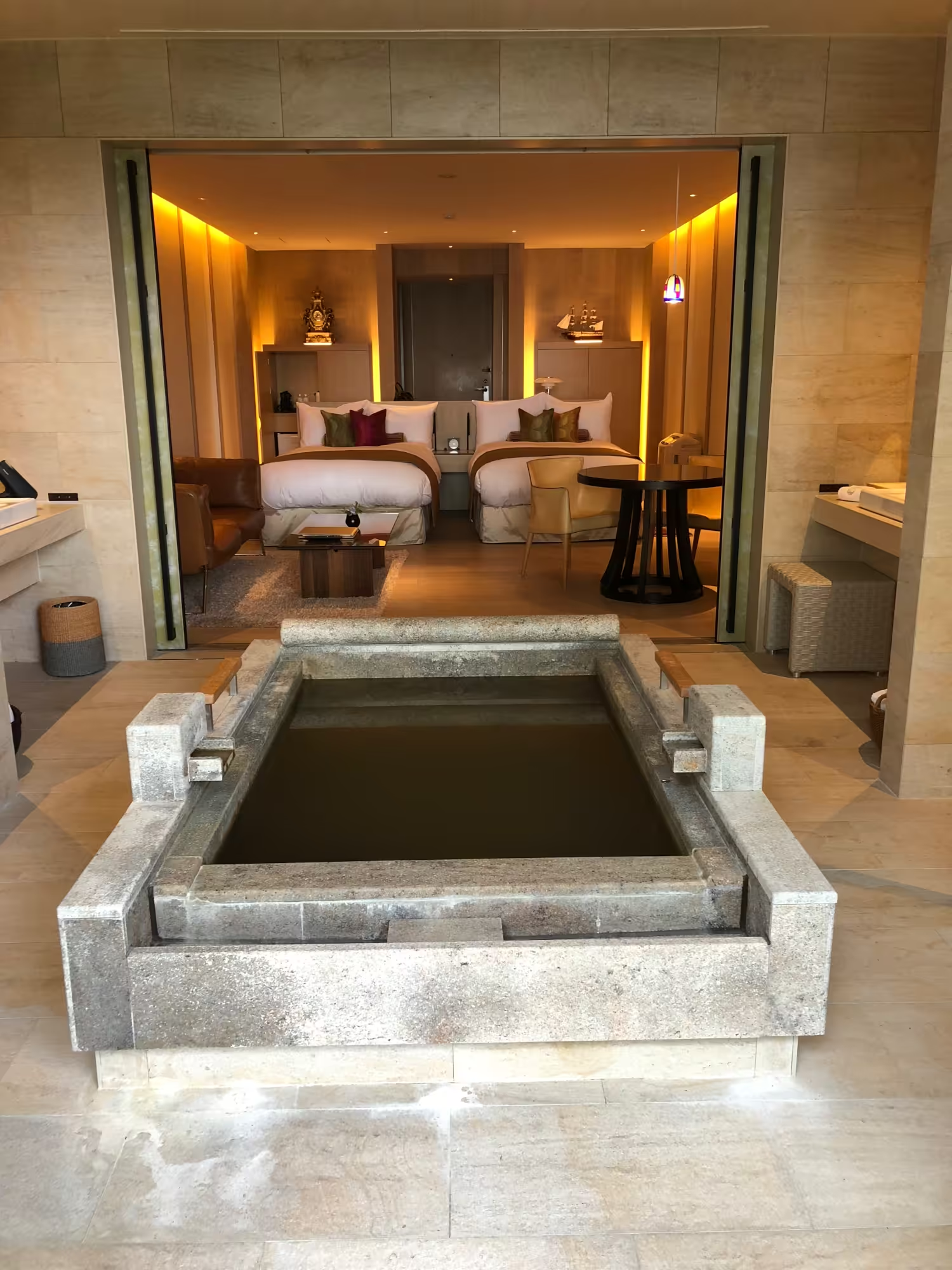
For travellers, onsen offer something rare: a chance to experience Japan not as a spectacle, but as a rhythm, slow, warm, and deeply grounded.